Sexual and Reproductive Health Rights Project – Promoting Equity, Dignity, and Resilience
The Right to Health Project is dedicated to promoting equitable access to healthcare for persons with disabilities, women, and youth. By working with health stakeholders, the project delivers awareness campaigns and services such as vaccinations, sexual and reproductive health (SRH) education, maternal care, and mental health support.
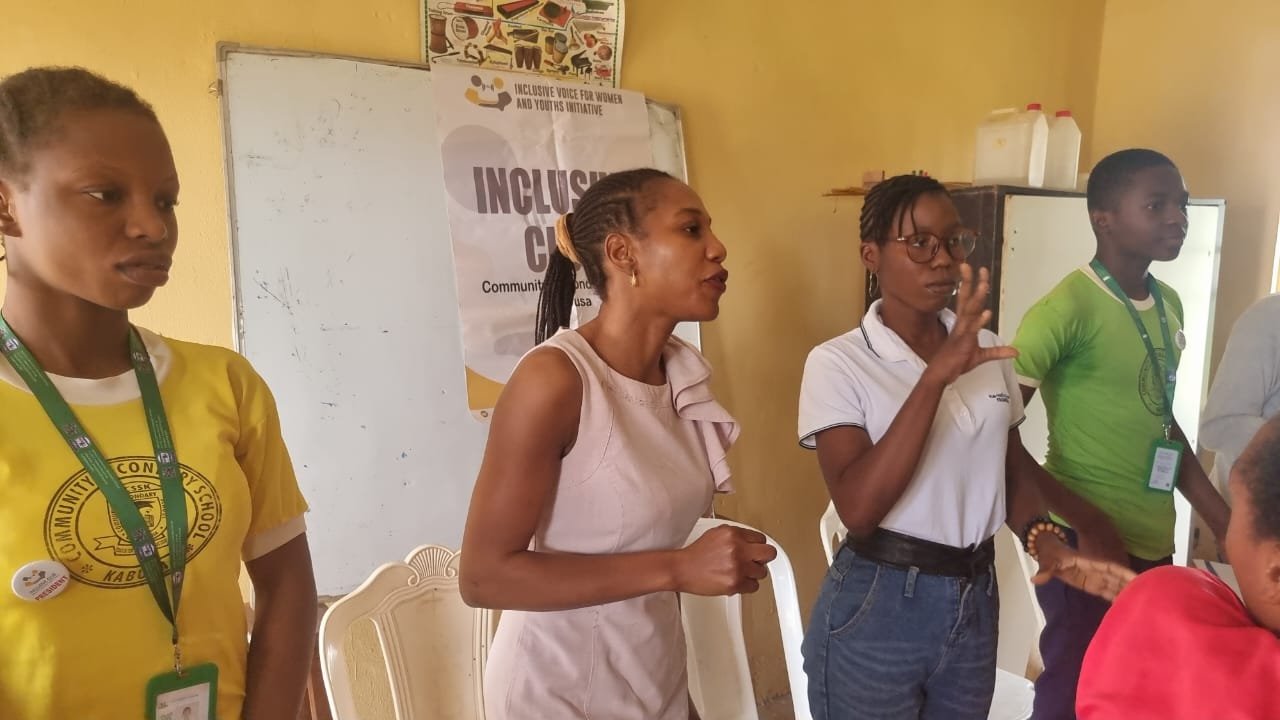
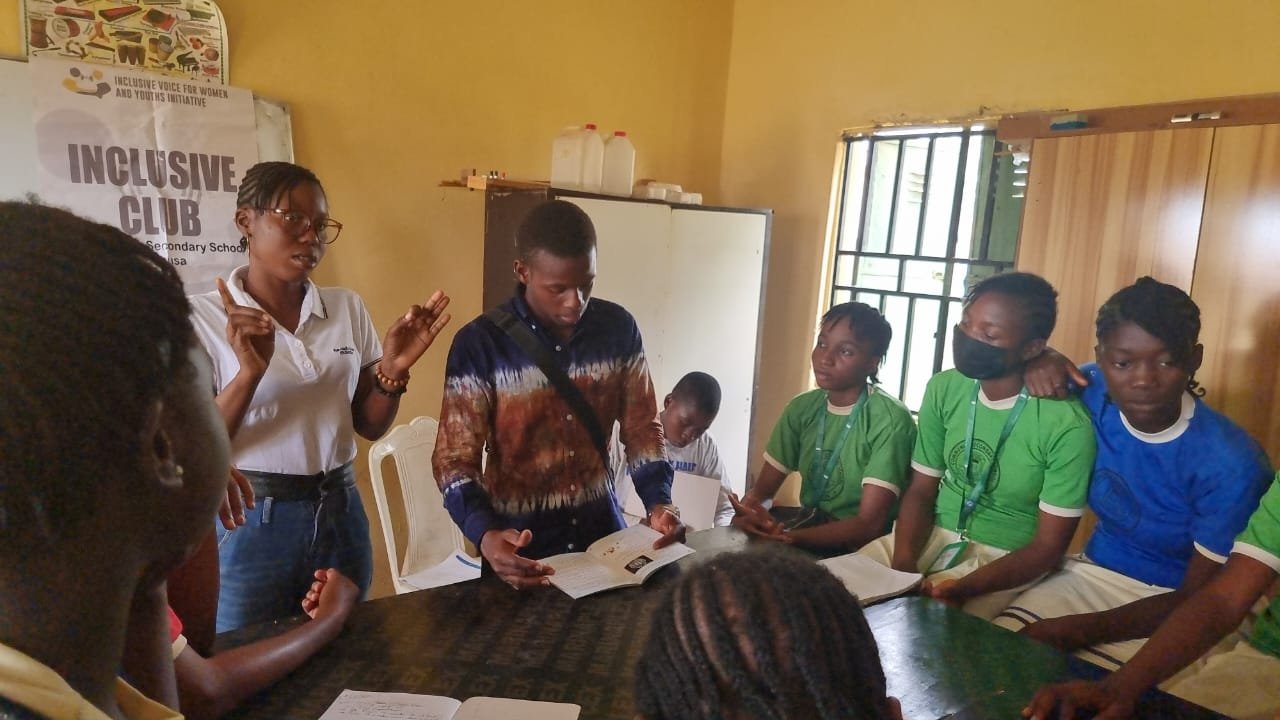
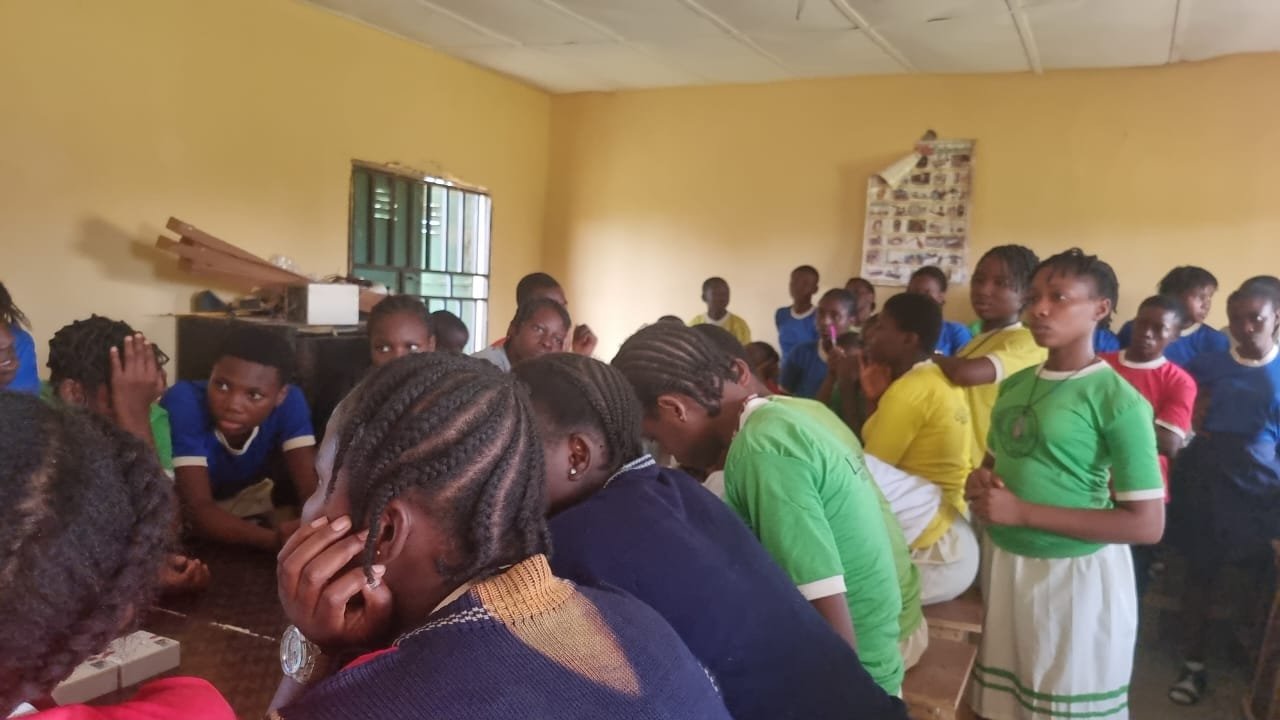
Recently, the project engaged the Inclusive Club at Community Secondary School, Kabusa, where students participated in sensitization sessions on SRHR and personal hygiene. The sessions equipped them with vital knowledge, encouraged healthy practices, and empowered the students to make informed choices about their well-being while fostering inclusion within their school community.
Recent Activities
As part of its latest engagements, the Right to Health Project carried out a sensitization and empowerment program with the Inclusive Club at Community Secondary School, Kabusa. During the sessions, members of the club received education on sexual and reproductive health rights (SRHR) and personal hygiene, equipping them with knowledge to make healthier and more informed decisions.
Practical Intervention
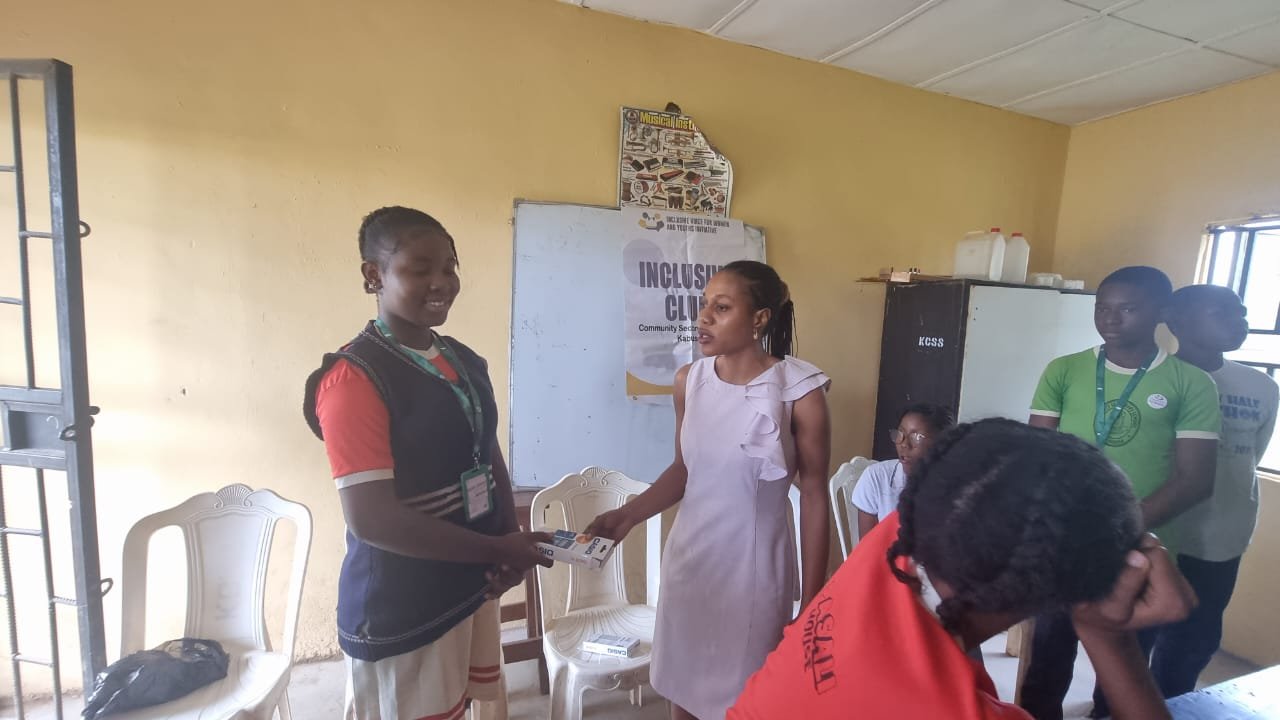
To complement the sessions, relief materials, including sanitary pads, were distributed to the students. This ensured that participants not only gained vital knowledge but also received the practical support required to uphold their health, dignity, and participation in school life.
Key Contributions
- Facilitated SRHR and personal hygiene sensitization sessions for members of the Inclusive Club at Community Secondary School, Kabusa.
- Distributed relief materials (sanitary pads) to promote menstrual health management and dignity.
- Promoted awareness that empowers adolescent girls to make informed decisions about their health and future.
- Strengthened school-level advocacy for girls’ health and rights through the Inclusive Club platform.
Impact
- Adolescent girls in the Inclusive Club gained confidence and knowledge to better manage their health and advocate for their rights.
- Access to sanitary products reduced barriers to education and improved participation in school activities.
- Awareness on SRHR improved within the school, fostering a culture of respect, dignity, and health equity.
- The initiative strengthened pathways for resilience, independence, and inclusion among students.
Why It Matters
The Right to Health Project goes beyond health talks—it is about empowerment, dignity, and equity. In underserved schools, adolescent girls often face barriers that prevent them from accessing healthcare and making informed health decisions. By combining education, advocacy, and the provision of practical resources, the project is breaking cycles of exclusion and protecting rights.
Conclusion
The Right to Health Project demonstrates that lasting change comes from coupling awareness with action. By promoting SRHR, providing practical support, and amplifying advocacy for adolescent girls through school-based structures like the Inclusive Club in Community Secondary School, Kabusa, the initiative is contributing to healthier, more resilient communities. With sustained partnerships and resources, this impact can be scaled—ensuring that every girl and person with disability has the opportunity to live with dignity and access quality healthcare.